Pulls, Crown Molding and Light Rail on Finished Cabinets
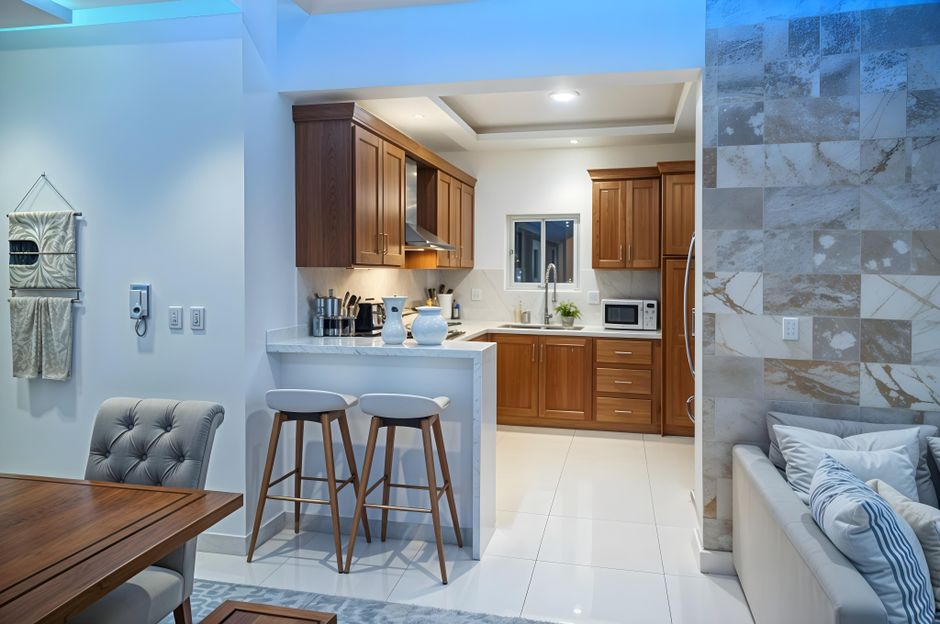
Most people choose pulls from a catalog photo and never check the projection against the neighboring drawer. The details that finish a cabinet run in Austin, TX are small, and the breakdown sitting on austin cabinetry spazio xyz lists them in the order a finish carpenter works through them: pulls, light rail, then crown molding last. Each one has to clear the next.
Cabinet pull placement
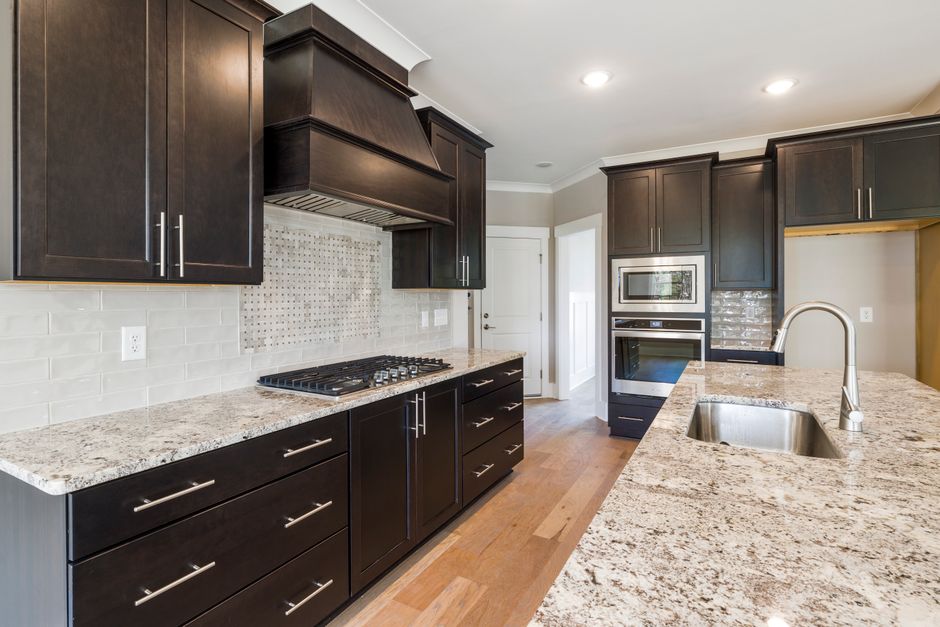
A cabinet pull on a slab door sits near the corner opposite the hinge, a little in from the edge. On a drawer front the pull goes dead center, or two pulls sit a third in from each end on a wide drawer. A shaker door takes the pull on the stile, so the hole lands on solid wood and not on the thin center panel. A paper template saves a lot of drilled mistakes.
Projection and clearance
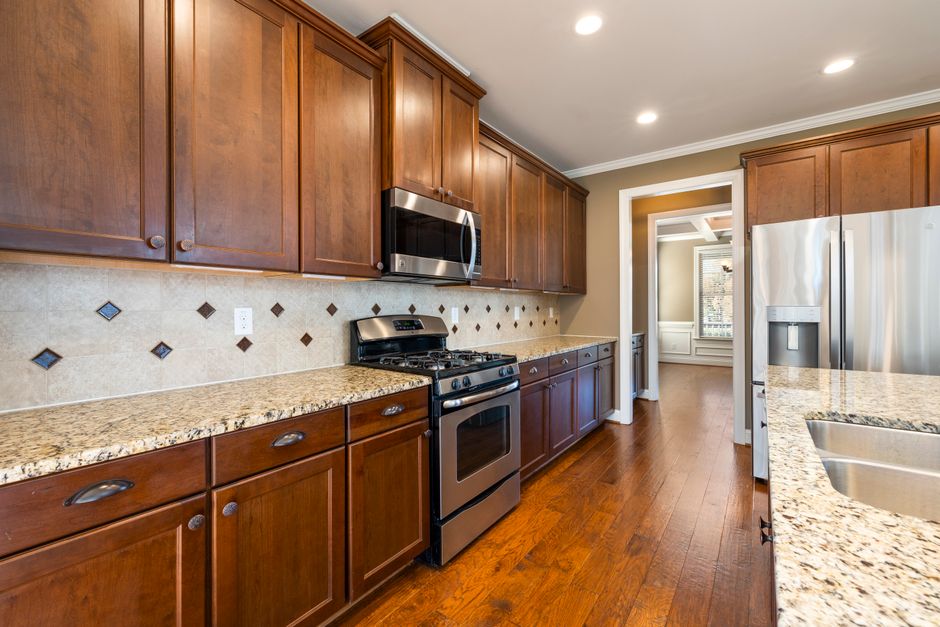
A bar pull with a deep projection catches a pocket or a sleeve when the cabinet sits next to a doorway. Check that a full overlay door opens past the pull on the neighboring drawer. A partial overlay door leaves a wider reveal, so pulls have more room. Soft close doors swing slowly, so the pull height matters more than the swing arc.
Light rail under uppers
Light rail is the strip under a wall cabinet that hides the undercabinet light and the wiring. It is usually made from the same hardwood or plywood as the doors, in maple, birch or oak, and finished with the same coat. Light rail has to be deep enough to hide the fixture and thin enough that a counter appliance fits below. A face frame cabinet can carry the rail flush with the frame bottom, while a frameless one needs a cleat.
Crown molding against uneven ceilings
Ceilings in older houses around Hyde Park, Clarksville and Tarrytown drift by a half inch or more over a kitchen wall. Crown molding cut tight to a straight line leaves gaps against that ceiling. The usual fix is a scribe strip above the cabinet, trimmed to follow the ceiling, with the crown fastened to the cabinet and not to the wall. Corners are coped, not mitered, because house corners are rarely square.
Finishing the trim
Crown molding in mdf takes paint cleanly, while hardwood crown takes stain and shows every joint. Nail holes get filled and a final finish coat goes on after the trim is up. Where cabinets are being refinished or refaced, new crown and light rail often make the biggest visible change for the least work.