Garage Cabinets in an Uninsulated Texas Garage
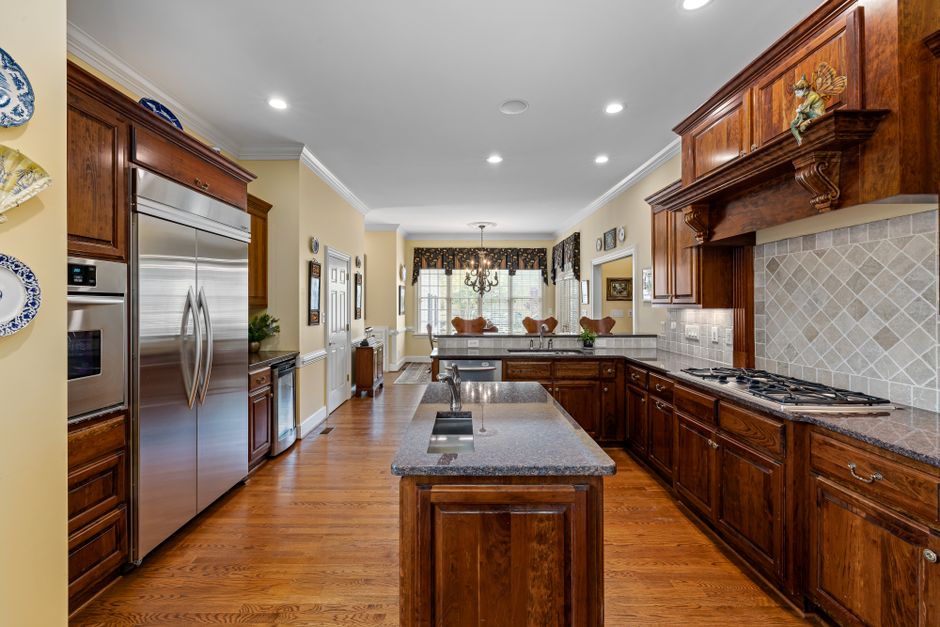
A garage cabinet does one job: it holds weight off the floor in a room that swings from cool nights to an oven by afternoon. In Austin, TX an uninsulated garage on a July day can run far hotter than the street, and every teardown austin cabinetry spazio xyz has logged shows the same thing, adhesives and cheap laminates giving up before the hinges do. The cabinet needs to be built for the room it lives in.
What heat does to panels
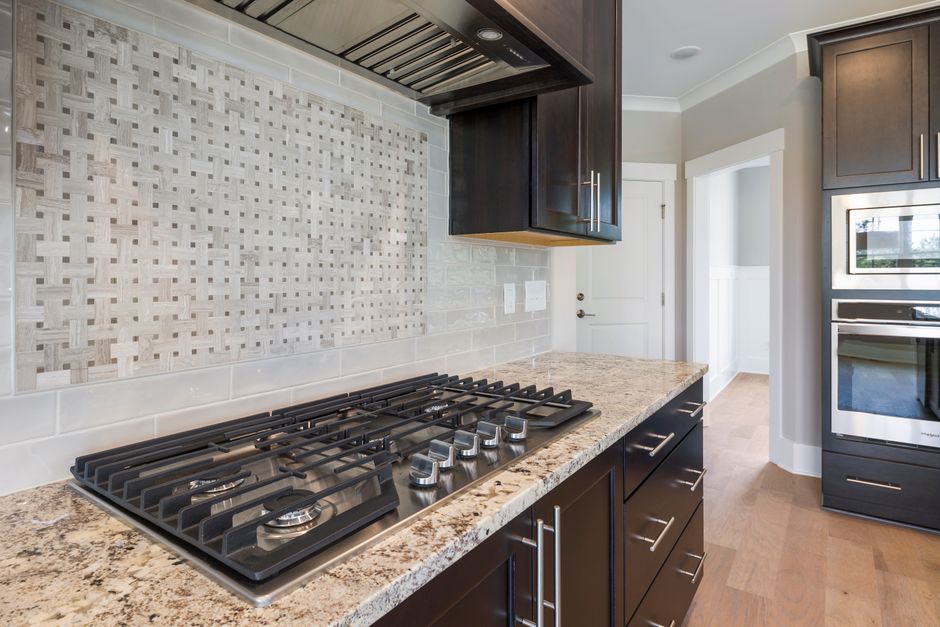
Particleboard and thin mdf sag between supports when they stay warm for months, and a shelf loaded with paint cans bows in a single summer. A plywood box keeps its shape under load, and birch plywood holds screws better than most. Melamine surfaces survive the heat but chip at the edges where tools bang them. Thermofoil lifts when the garage bakes and the adhesive softens, so it does not belong here.
Edge sealing and moisture
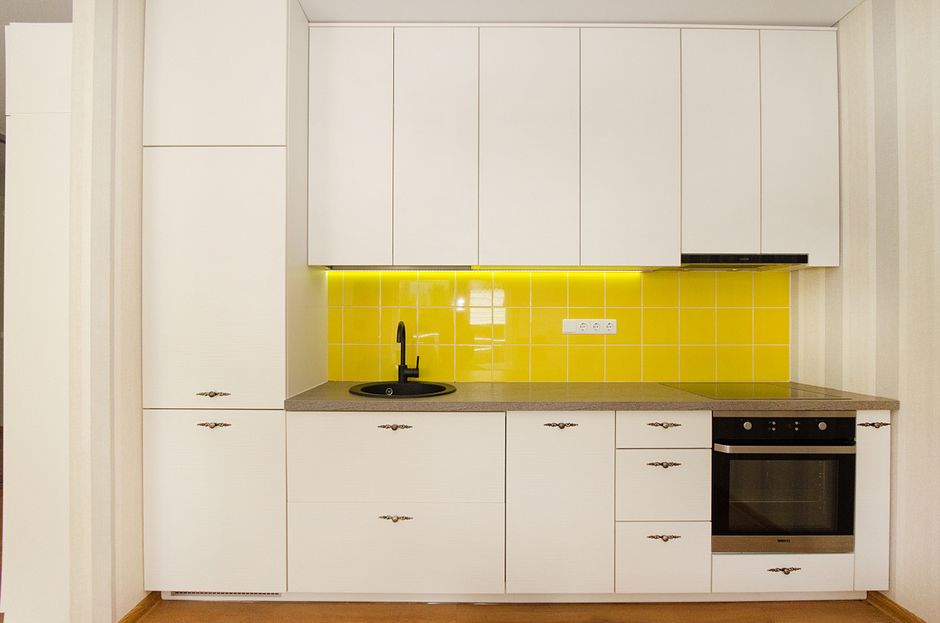
A garage on a slab breathes ground moisture, and a cabinet standing on the floor wicks it up through the bottom edge. A moisture-resistant panel for the base, raised on a toe kick or legs, keeps the box dry. Edge banding on a garage cabinet should be thick and well glued. Heat loosens thin banding, and once a corner lifts the core starts to swell.
Hardware and finish
A euro hinge with a heavy-duty cup holds a full overlay door that carries a drill charger or a stack of tools. Drawer slide rails need a load rating well above the weight stored, and a dovetail drawer in birch handles the weight better than a stapled drawer box. A finish coat rated for heat and solvents protects against spilled oil and gas cans.
Garage conditions around Austin
Houses near Mueller and Bouldin Creek often have detached or tuck-under garages with no insulation and a single vent. Ground west of the Balcones Fault is rocky and drains quickly, while the clay to the east moves with the seasons and cracks slabs, which lets moisture in. Where a garage cabinet runs along a west wall, afternoon sun heats the wall, so the back of the box should stand a few inches off the surface.
Layout for heavy use
Wall cabinets mounted to studs should be fastened with long screws, since a loaded cabinet pulls hard. Frameless boxes are easy to load and reach into, while a face frame cabinet is stiffer on an uneven wall. A hardwood top over the base units gives a bench that does not dent. Old garage cabinets in sound shape can be refinished with a heat-tolerant coat instead of being torn out.